
Keith Lusher 12.12.25

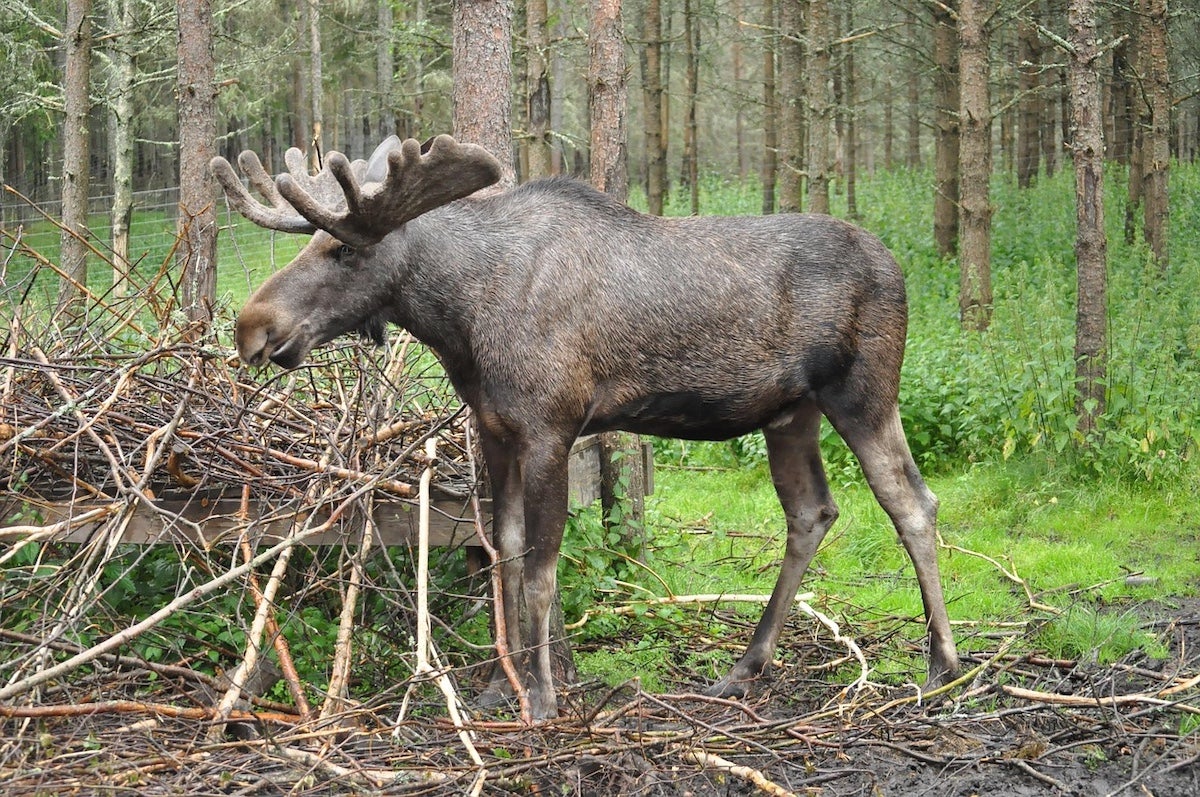
Vermont wildlife officials have released the results of the 2025 moose hunting season, reporting that 68 moose were harvested during the two October hunt periods in the Northeast Kingdom. All hunting was restricted to Wildlife Management Unit E, the only area in the state where moose hunting is allowed.
This year the Vermont Fish and Wildlife Department issued 180 permits, with 174 awarded through a lottery that drew nearly 6,000 applicants. The remaining permits included five reserved for Vermont military veterans, three for people with life-threatening illnesses, and three auctioned as a conservation fundraiser.
Moose biologist Nick Fortin said the hunt plays a key role in improving herd health in WMU-E, where moose densities are high enough to fuel heavy winter tick infestations. That parasitic pressure has been linked to low birth rates, poor calf survival, and long-term population stress.
“Moose are relatively abundant in WMU-E,” Fortin said. “This high density contributes to high winter tick numbers that can negatively impact moose health and survival. A goal of this year’s hunt was to improve the overall health of WMU-E’s moose population by reducing its density.”
Fortin said the 2025 hunt aligned with long-term research that shows winter ticks have driven the region’s moose herd to poor condition over the past two decades. Adult survival remains steady, but reproduction has dropped, and many calves fail to survive their first winter.

Hunters also faced difficult field conditions this season. The October hunt coincided with an unusual heat wave that brought temperatures in the 60s and 70s with no rain. Warm weather keeps moose inactive during the day, and dry leaves make it hard for hunters to move quietly in the woods.
“You really couldn’t make worse moose hunting conditions,” Fortin said. “They are basically hunkered down trying to stay cool because they have their full winter coat on. They’re just not moving.”
Officials believe the warm and dry stretch contributed to the lower success rate compared to previous years. Although 180 permits were issued, only 62 to 68 moose were taken, depending on reporting sources.

Despite the tough conditions, Fortin remains encouraged by what biologists are seeing in harvested animals. Cow moose have shown birth rates slightly above one calf per year during the past three seasons, a level not documented in Vermont since the early 2000s. Average body weights have also increased, suggesting some rebound from the impacts of winter ticks and brain parasites.
“We’re trending in the right direction,” Fortin said. He added that while Vermont’s moose population is not fully recovered, concerns are not as dire as they were five years ago.
“This year’s hunt in WMU-E was another step towards achieving a healthy, sustainable moose population.”


Trending Products