
Luke Cuenco 01.08.26

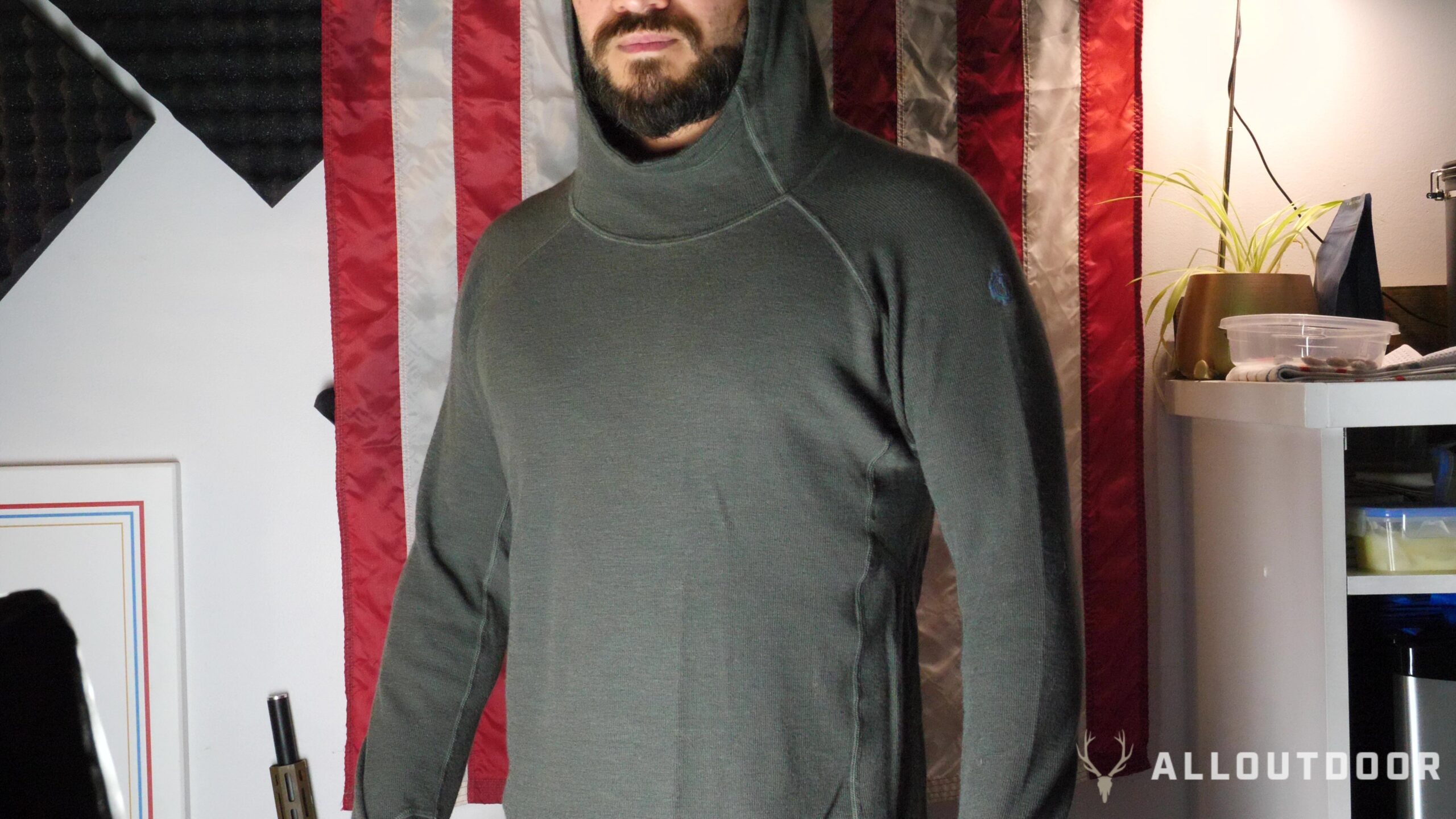
It’s the middle of winter, and there is nothing I like more than being outside in the cold – but I don’t like to feel cold. That’s why I’ve been pretty happy to be able to test out a full set of underlayers from PAKA Apparel‘s clothing lineup. I’ve been testing and wearing a few of their items over the last two months, including the Alpaca Hoodie, Alpaca Crew shirt, Men’s Thermal Baselayer Bottom (long johns), and Thermal Pacha Crew Socks. In addition to keeping you warm in the outdoors, each piece is intended to deliver sustainable, natural-fiber performance for cold-weather layering during active outdoor activities. PAKA is marketed specifically to those who love the outdoors and the animals that allow us to gain access to such great clothing materials. To spoil the rest of the review, I think these pieces combine royal alpaca’s lightweight warmth and breathability, ethically sourced from Peru, with PAKA’s design expertise to provide some extremely useful and sometimes necessary baselayer pieces for your winter clothing wardrobe. I’ve put the full set through about a dozen wears over the last two months in chilly, rugged conditions, often mixing in each individual piece as needed along with my regular clothing, and today I’ll share my thoughts on these unique, sustainable underlayers.
Clothing Reviews on AllOutdoor

AO Review: PAKA Alpaca Thermals | Hoodie, Crew, Bottoms, Socks
I’d like to first take a minute to talk about the material being used here and the overall build quality. According to PAKA’s website, the fabric blends around 65-85% royal alpaca fiber (fine 18-19 micron diameter for softness) with recycled nylon and elastane for stretch and recovery, eliminating the coarse lanolin found in sheep wool. This makes the set far less itchy than traditional wool. For me, while it starts with a slight awareness on my skin, the suppleness lets you forget you’re wearing it after a short while. The texture feels plush and high-end, with wool’s natural antimicrobial properties keeping odor at bay even after sweaty hunts or camps – and I did wear the bottoms and the hoodie for almost 36 hours straight in temperatures dipping into the low teens just to test this.

As I, too, am a lover of the environment, I think PAKA deserves a lot of praise for its sustainability approach. Rather than shunning animal products, they lean hard into alpaca wool from the Peruvian highlands, where herds roam freely on native grasses without overgrazing or deforestation. In addition to that, PAKA provides not just sustainable clothing for the Llamas and the environment, but jobs too for the locals in Peru who weave all of this clothing.

Upon first inspection, the high points of the construction of the set for me include flatlock seams, reinforced high-wear zones like sock heels/toes and bottom gussets, plus thoughtful details like thumb holes on the hoodie for glove compatibility and keeping the sleeves from bunching up underneath subsequent outer layers. I also really like the cuffed ankles on the long johns as they pair seamlessly under pants or boots without a bunch of extra adjusting or the need for heel straps. As much as I like them, however, the knit is snag-prone in brushy woods and branches, zippers, or even Velcro from gear create pulls and fuzzy spots that degrade appearance over time. It’s for that purpose that I recommend only washing these items with other wool items that don’t have anything that could snag on them. However, since I use the crew shirt, socks, and bottoms as baselayers, I’m not too worried about the appearance. The hoodie is the only piece I’ve used as a daily driver shirt a handful of times. It just looks good.


Warmth & Insulation
Warmth is obviously going to be the most important thing for a set of thermals. As most of you know, wool in general is exceptionally good at doing this by trapping body heat more effectively than other fibers. For me, this meant that during static camp sits or high-movement activities, the wool is trapping all of that excess body heat instead of letting it slip through layer after layer of synthetic fibers. In contrast to polyester or cotton, the hollow alpaca fibers provide far superior insulation-to-weight compared to even merino wool or other synthetics I’ve tried.

The Alpaca wool that PAKA is using feels consistently cozy from 20°F mornings to milder 50°F days, and the Crew or hoodie alone was just enough to keep me warm without overheating me or adding too much extra bulk. In particular, the Hoodie and Crew shirt excel as core layers by themselves, while the long johns insulate legs underneath whatever jeans or pants you’re wearing that day, and then the socks prevent cold, wet feet. Each piece warms and wicks moisture without overheating during my sudden bursts of activity throughout the day.
Fit & Comfort
Fit hits a sweet spot. I’m a pretty athletic guy, and contouring without constriction is much appreciated so that the underlayers aren’t getting bunched up underneath everything else you’re wearing. I have found that each piece is true-to-size for an active build, while having a good amount of stretch to it. I think it’s just about perfect for layering under hunting jackets or even lighter windbreakers.

As I mentioned before, the thumb holes on the hoodie do a great job of securing your sleeves under outerwear, and the cuffed legs of the bottoms stay put and avoid bunching either over or under the socks. Even when I had my marathon wearing session, the clothing all felt non-restrictive, with no seam irritation or pressure points, even after forgetting the mild initial wool awareness I find myself sensitive to.
Moisture Management & Breathability
Part of what makes wool, and in particular Alpaca and Merino wool, is that they both wick sweat efficiently when your body is pumping out a lot of heat during activity. Alpaca in particular, I’ve found, dries much faster than pure wool while still giving you better insulating properties even if you’re damp from fog or light rain. Each sample has great breathability, which prevents clamminess during camp setup or hikes, and this goes a long way towards keeping you comfortable without a synthetic plasticky feel like synthetic fibers will.

Durability & Care
This is the only part where I really have any sort of real complaints about the product itself. PAKAs’ stuff is certainly lightweight, and that does a lot to make them feel comfortable and breathable without overheating you. The durability overall is pretty solid for the fabrics overall suppleness and shape retention after repeated machine washes (I’ve exclusivley run these on a gentle cold cycle, and air dried only), but the snag sensitivity is a real field hazard for outdoorsy use—pulls from branches, packs, or laundry snags lead to a lot of fuzz and thinning faster than tougher synthetics. No major pilling yet from my dozen or so wears of each item, but minor damage accumulates with heavy use, just like any other piece of clothing.


To prevent snags, I’ve learned to layer these with smoother synthetics or abrasion-resistant softshells like my Varusteleka jacket. I’ve also tried my best to avoid any sort of Velcro on my other outerwear to prevent extra snags. I also try to trim loose threads immediately and wash everything separately in a lingerie bag. In general, I’ve also found out that avoiding zippers when possible can do a lot to avoid accidental snags on the hoodie.
Final Thoughts
At about $130-140 per major piece and just an alpaca’s hair under $30 for the socks, PAKA’s premium pricing doesn’t feel like asking too much for their soft, high-quality feel, even and post-wash luxury. If you’re a nerd about clothing, they’ve got plenty of more thoughtful design details like thumb holes and cuffed ankles that make them less of a hassle to wear for daily outdoor work. I’d highly recommend PAKAs underlayers for just about anyone who spends a lot of time outside in the freezing cold. I don’t say this often, but I’d 100% repurchase these since I am not only a big fan of natural fiber clothing, but these ones don’t itch nearly as much as the rest of my wool stuff!


Trending Products