
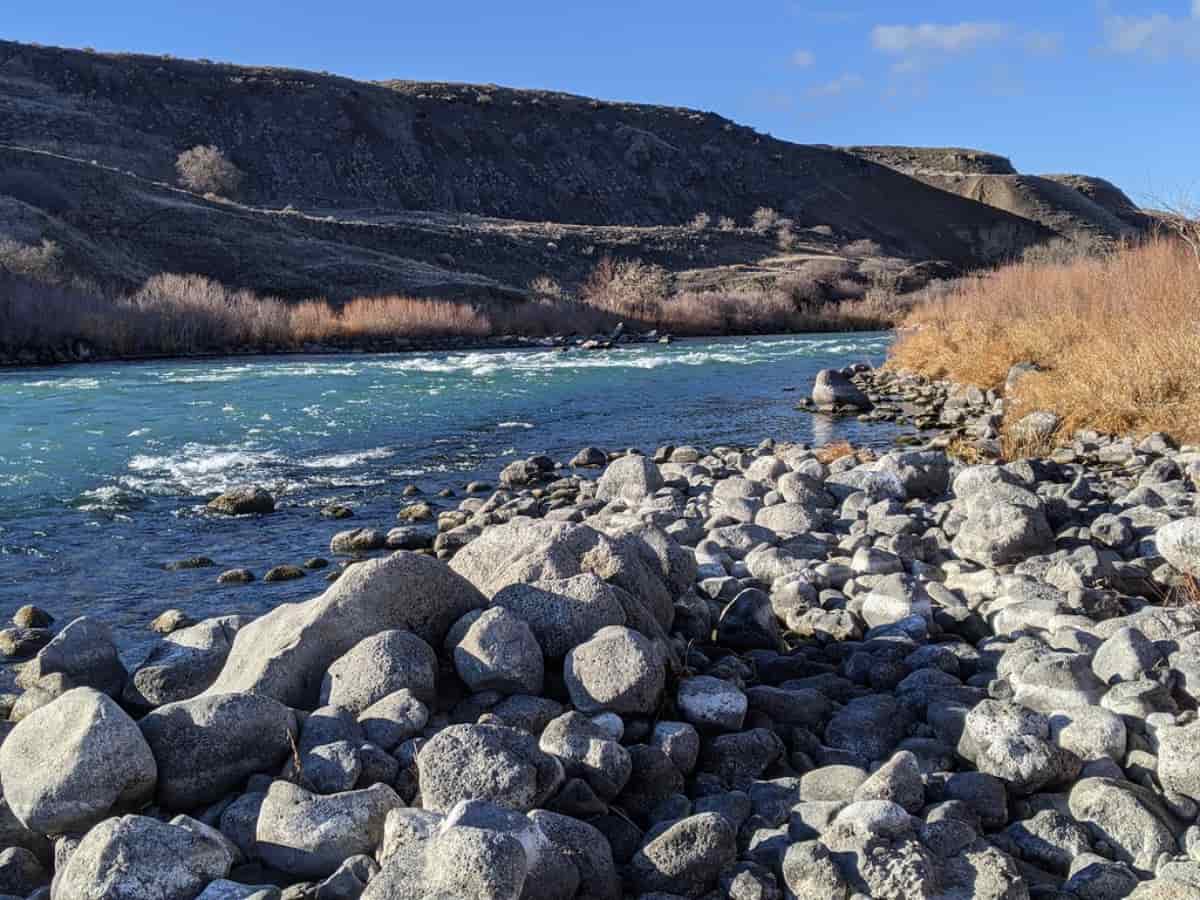

Image by Kent Sanders
A decades-long legal battle over the fate of four federal dams on the Lower Snake River has entered a critical new phase, with environmental plaintiffs and the Trump administration heading toward a pivotal courtroom showdown. Tomorrow marks the deadline for legal briefs in what could become one of the most consequential rulings for Pacific Northwest salmon and steelhead in years.
The intensified litigation follows President Trump’s June 12, 2025 revocation of a Biden-era Memorandum of Understanding (MOU) that had paused the lawsuit for up to 10 years. The agreement, known as the Resilient Columbia Basin Agreement, committed over $1 billion in federal funding toward salmon restoration and laid groundwork for the potential breaching of the four Lower Snake River dams—Ice Harbor, Lower Monumental, Little Goose, and Lower Granite.
Emergency Measures Sought for Spring Migration
Earthjustice, representing a coalition of conservation groups, filed a preliminary injunction request in October 2025 asking U.S. District Court Judge Michael Simon to mandate emergency operational changes at the dams beginning in March 2026. The requested measures include lowering reservoir levels to minimum operating pools and increasing water spill over the dams—allowing juvenile fish to pass over the structures rather than through turbines that can kill or injure them.
The states of Oregon and Washington, along with the Nez Perce Tribe and the Confederated Tribes and Bands of the Yakama Nation, have filed briefs supporting the injunction request.
“When the Trump administration reneged on this carefully negotiated agreement—and offered no alternative plan to restore imperiled salmon and steelhead—we had no option but to resume our longstanding litigation to protect endangered salmon,” said Earthjustice Attorney Amanda Goodin in an October court filing.
The litigation dates back to 2001, when the National Wildlife Federation and Oregon first sued federal agencies over dam operations that plaintiffs argue violate the Endangered Species Act.
Fish Populations at Critical Levels
The urgency behind the legal push is underscored by alarming population data. According to the Nez Perce Tribe’s Fisheries Resources Management department, six Snake River steelhead populations—27% of the species’ total number—are now on the “critical list,” meaning they are below extinction thresholds or rapidly approaching them. Ten Snake River spring/summer Chinook populations face similar dire circumstances.
In 2025, only 14 wild Snake River sockeye salmon successfully returned to their spawning grounds in central Idaho—a stark illustration of how far these populations have fallen since being listed as endangered.
Summer steelhead returns have been depressed for nearly a decade. The 2025 forecast predicted just 25,790 steelhead returning to Lower Granite Dam—roughly one-third of the previous year’s returns.
“The fish are anything but healthy,” said Jay Hesse, Director of Biological Services for the Nez Perce Department of Fisheries Resources Management, noting that claims of improving salmon numbers often rely on hatchery fish while obscuring the collapse of wild populations.
Industry Groups Push Back
The proposed injunction has drawn fierce opposition from navigation, agricultural, and power interests. More than 30 opposing briefs were filed in federal court by December 2025, warning that the requested changes would threaten economic stability throughout the Pacific Northwest.
The Pacific Northwest Waterways Association argues the proposed measures could threaten navigation safety and river system reliability. The four dams maintain a navigable waterway that handles approximately 10% of all U.S. wheat exports.
NOAA Fisheries filed testimony suggesting the proposed measures might actually increase—not decrease—the risk of salmon populations falling below extinction thresholds compared to current operations.
“Our electric grid is under unprecedented strain, this motion risks plunging our region into crisis,” said Kurt Miller, CEO and executive director of the Northwest Public Power Association.
Energy experts estimate the proposed operational changes would cost the region $152 million to $169 million in 2026 to replace lost hydroelectric capacity and would result in increased carbon emissions as natural gas facilities compensate for reduced dam output.
The Trump Administration’s Position
President Trump’s June 2025 presidential memorandum, titled “Stopping Radical Environmentalism to Generate Power for the Columbia River Basin,” characterized the Biden-era agreement as placing “misplaced concerns about climate change” and “equitable treatment for fish” above national energy needs.
U.S. Energy Secretary Chris Wright visited Ice Harbor Dam in December 2025, emphasizing the administration’s commitment to maintaining the dams. The four facilities provide approximately 3,000 megawatts of hydroelectric generating capacity—enough to power an estimated 2.5 million homes, according to the administration.
“That’s an energy subtraction policy and the Trump administration, we’re about energy addition,” Wright said of the previous administration’s approach.
Federal agencies are now opposing the preliminary injunction, with the Department of Justice filing briefs arguing against the requested operational changes.
What Happens Next
Judge Simon is expected to hear arguments on the preliminary injunction by February, with a ruling potentially coming soon after. If granted, the injunction could mandate significant changes to river operations as early as this spring, affecting the 2026 juvenile salmon migration season.
For anglers and fishing communities, the stakes extend beyond the courtroom. The litigation’s outcome will shape river flows and fish passage conditions for what scientists warn are already severely depleted runs. Trout Unlimited has called the current situation “some of our worst returns on record for both salmon and steelhead.”
Meanwhile, winter fishing on nearby waters continues. Recent reports from the South Fork of the Snake River indicate productive fishing for resident trout using midge and nymph patterns, offering at least some solace for local anglers as the legal battle unfolds.
The case, National Wildlife Federation v. National Marine Fisheries Service, has been ongoing for nearly 25 years. During that time, federal courts have declared illegal six different federal dam management plans, yet agencies have not produced operations that adequately protect salmon to plaintiffs’ satisfaction.
As the January 22 deadline for briefs arrives, the Pacific Northwest once again finds itself at a crossroads—balancing the economic benefits of hydropower and navigation against treaty obligations and the survival of fish populations that have sustained the region’s Indigenous peoples, ecosystems, and fishing communities for millennia.
Trending Products