
Keith Lusher 03.12.26

Wildlife officials in Ohio are investigating several reports of dead geese across the state, with early indications pointing to highly pathogenic avian influenza, commonly known as bird flu.
One of the largest die-offs has been reported at Lake Waynoka, a gated community in Brown County, where nearly 100 geese have been found dead in recent days.
Todd Wilkin, the community’s general manager, said the situation began after a resident discovered a dead goose in their yard and reported it to management.
“We got a phone call from a member who said that they had found a dead goose in their front yard,” Wilkin said. “So immediately we contacted our maintenance team.”
What started with a single report quickly escalated. Maintenance crews located more dead birds throughout the community, and the total count soon climbed to dozens.
“And so we have cleaned up about 96 geese to date so far right now,” Wilkin said.
The Ohio Department of Natural Resources Division of Wildlife responded to the report and is working with local officials to collect samples from the birds. Those samples are being sent to the Ohio Department of Agriculture for testing to determine whether the deaths were caused by highly pathogenic avian influenza (HPAI).
While final test results are still pending, officials said the die-off strongly suggests bird flu.
Large numbers of dead birds have also been reported in other parts of Ohio.

In Mahoning County, a Canada goose that died in February tested positive for the H5 strain of avian influenza, according to the U.S. Department of Agriculture. Wildlife officials in the area have also been collecting samples from additional dead birds.
Reports from northeastern Ohio indicate that about 40 dead geese have been found along the Mahoning River and in nearby parks. In one case, 14 dead crows were discovered on private property and were sent to a laboratory in Reynoldsburg for testing.
Officials say the virus spreads most easily when birds congregate in large groups, which is common among waterfowl such as Canada geese.
“The health department has identified that it is influenza that is affecting these birds here locally,” said Trumbull County Commissioner Denny Malloy, a former wildlife officer. “They’ve advised that if you see a dead bird in your yard, don’t touch it and don’t let your dog get it.”
Avian influenza primarily affects wild birds and poultry and is commonly spread through direct contact with infected birds or through contaminated saliva, feces, or feathers. Waterfowl such as geese and ducks are known carriers and can spread the virus as they migrate.
Wildlife officials say infected birds may show neurological and respiratory symptoms before dying, including tremors, difficulty breathing, disorientation, and swelling around the head.
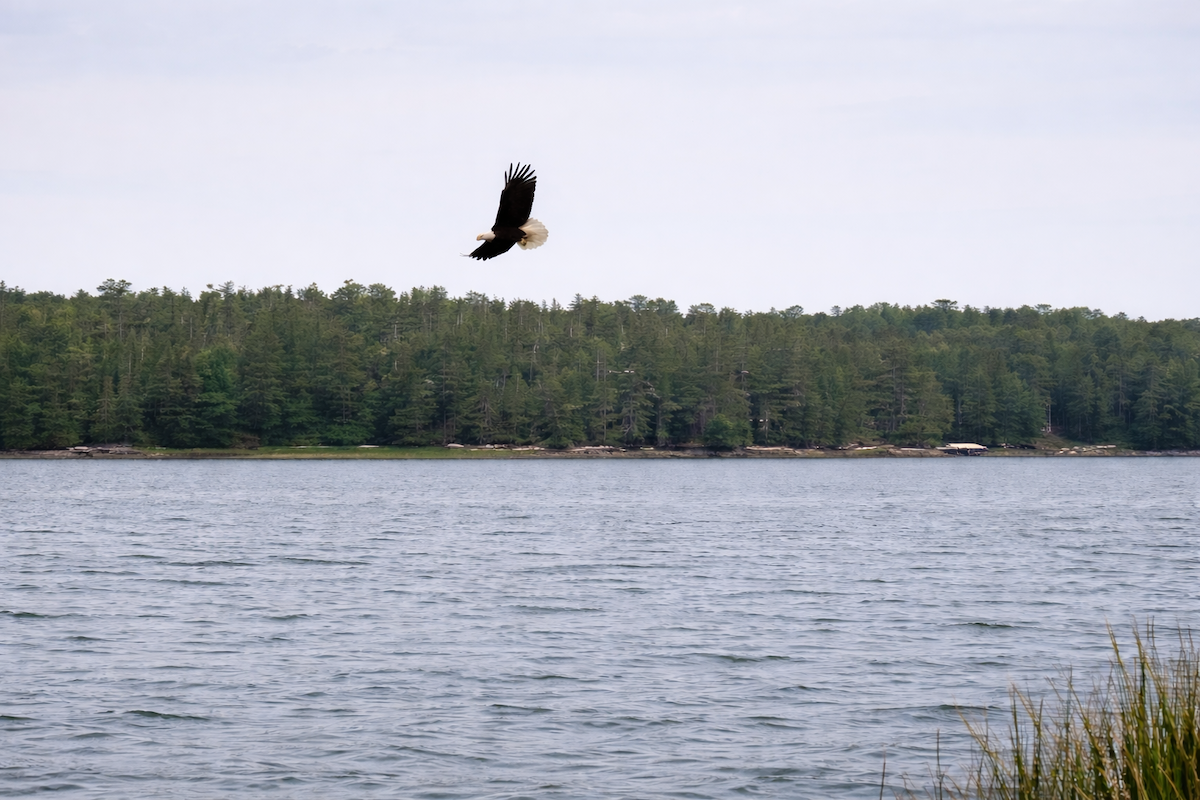
Residents around Lake Waynoka have also raised concerns about other wildlife. Wilkin said a pair of bald eagles has been seen feeding on the dead geese, which could put the birds at risk of infection as well.
Despite the die-offs, health officials emphasize that the risk to humans remains very low. According to the Centers for Disease Control and Prevention, most human infections occur only after direct handling of infected birds.
Authorities are advising the public to avoid touching sick or dead birds, keep pets away from carcasses, and report groups of dead wild birds to state wildlife officials.
Anyone who encounters multiple dead birds is encouraged to report them to wildlife officials or contact the USDA Wildlife Services hotline at 1-866-536-7593.


Trending Products