
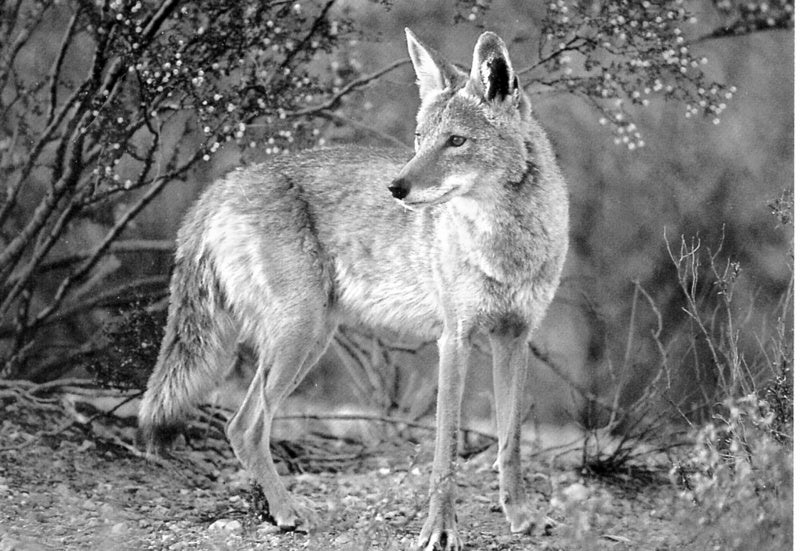

Beginning Sunday, Jan. 11, hunters in Delaware will be allowed to hunt coyotes year-round following a regulatory change approved by the Delaware Department of Natural Resources and Environmental Control. The order, issued Dec. 8 by DNREC Secretary Greg Patterson, includes several updates to state hunting rules, with coyote management drawing the most attention.
Why Delaware Is Expanding Coyote Hunting Opportunities
Coyotes are a relatively recent but firmly established predator in Delaware. While their overall population is not considered large by regional standards, issues tend to be highly localized. State officials emphasized that the rule change is intended to give landowners and hunters more flexibility to respond to site-specific issues rather than to reduce coyote numbers statewide.
In agricultural and rural areas, coyotes are frequently cited by landowners for predation on livestock such as poultry, goats, and young calves, as well as impacts on pets and game species. These issues often occur sporadically and vary widely by property, which makes a limited seasonal hunting window somewhat useless for addressing the problems when they arise.
“The [Division of Fish and Wildlife] notes that the proposed expansion to the hunting season is not intended to better manage coyotes on a statewide level, but rather to improve management of coyotes at the local or land parcel level,” Patterson said. “Increasing hunting opportunities for landowners can be very effective in reducing local numbers of coyotes, as year-round hunting pressure provides more opportunities for harvest and can cause coyotes to abandon an area.”
Harvest Data and Population Reality
Since coyote hunting regulations were first introduced in 2014, the season had been limited to Sept. 1 through the last day of February. During the four-year period from 2020 through 2023, reported annual harvest numbers were eight, four, five, and 12 coyotes. Based on that data, the state does not anticipate that allowing year-round hunting will significantly increase overall harvest totals.
The state also acknowledged that predator control alone is not a long-term population solution.
“There is over a century’s worth of data showing that hunting, trapping and even extensive predator control methods [bounties and poisoning] will not control coyotes on a landscape or even statewide level. Ultimately, what will determine how many coyotes are in Delaware is the coyotes themselves,” said Rob Hossler, a state wildlife biologist, in a technical response included with the secretary’s order.
Public Comment and Regulatory Details
The regulation change received comments from 11 individuals, with five supporting the extension and six opposing it, including a detailed submission from the Humane World of Animals. While DNREC officials disagreed with much of the opposition’s reasoning, they agreed that population control at a statewide scale is not the goal of the rule.
As part of the update, Delaware eliminated the reporting requirement for harvested coyotes. The state said harvest estimates can be reliably calculated through annual hunter and trapper surveys, which are already used for other furbearer species such as red foxes, raccoons, muskrats, and opossums.
Other Hunting Regulation Updates
The secretary’s order also included several additional changes:
-
Youth turkey and deer hunting rules now specify hunters younger than 16 years of age, replacing the previous “between the ages of 10 and 15” language.
-
Motorized electric carts, wagons, or wheelbarrows may now be used to transport hunting or fishing equipment—or harvested game—on state-managed lands, provided they are not ridden or used to transport people. Users must walk while operating them.
For Delaware landowners dealing with recurring predator issues, the year-round coyote season provides a practical tool for localized management without changing the state’s broader wildlife population strategy.


Trending Products