
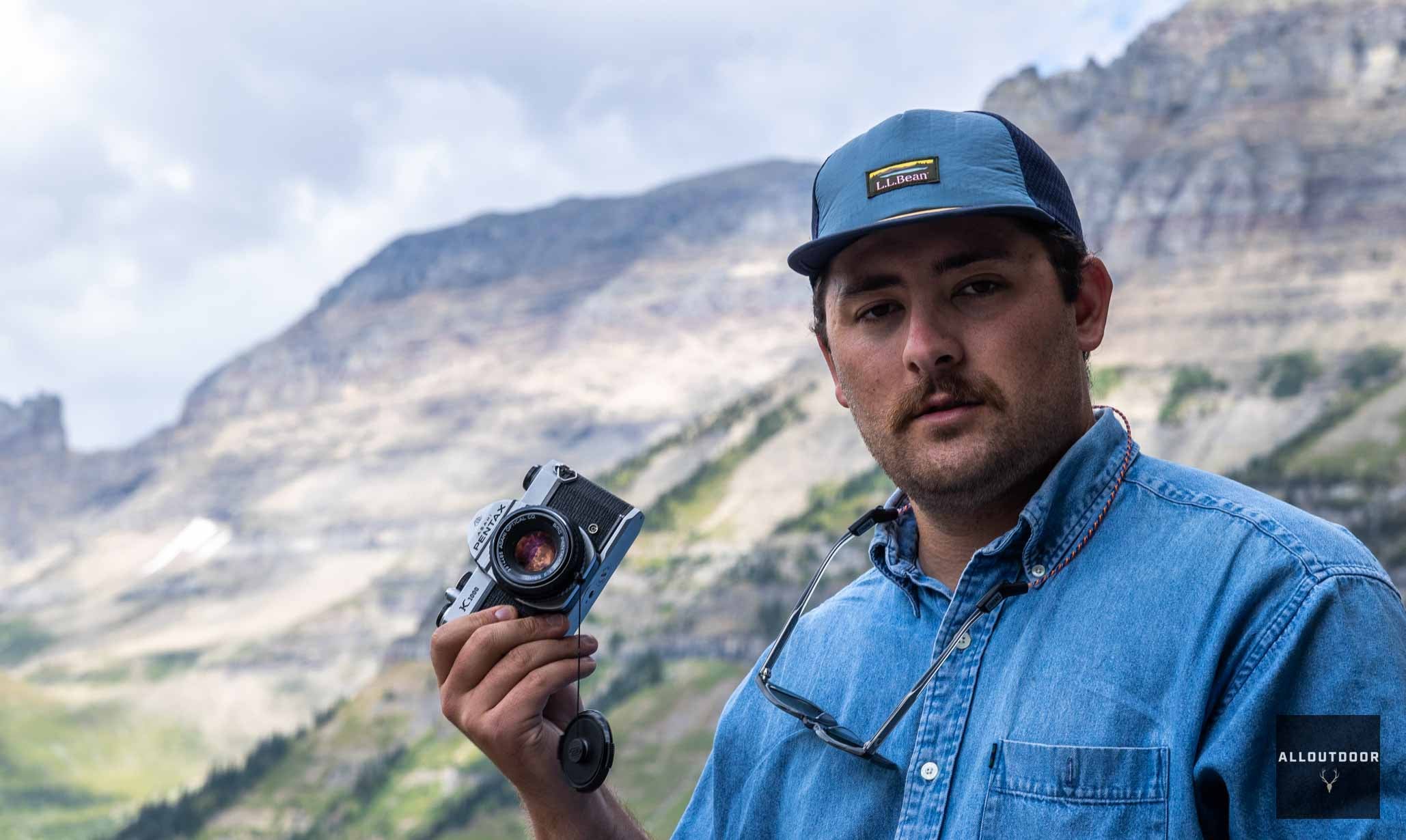
Patrik Orcutt 01.01.26

Back in high school, I was sitting in my journalism class when my teacher asked us if anyone would be willing to take pictures of the boy’s basketball game that evening. My father owned a DSLR camera, and while I had never really used it, I raised my hand and volunteered myself. That moment propelled me into the photographer I am today and I can’t even imagine how bad those pictures probably looked from that night. That was 12 years ago, and I have taken an unknown number of pictures since then as a landscape, military, and product photographer. I hope to make this informative series with lots of tips and helpful information on how to capture stunning images of your own. All pictures are my own, and I hope to do a couple of installments covering different topics of photography. On this installment, we will be talking Lenses, because your lens is actually much more important than your camera!

Adventure Content Coverage on AllOutdoor

How to Capture Stunning Images on your Outdoor Adventures: #2 Lenses
In the world of outdoor and adventure photography, where nature’s unpredictability meets the photographer’s vision, the choice of the right lens can seem daunting at times. Unlike studio photography, where conditions can be controlled, outdoor photographers must adapt to ever-changing environments. The right lens can transform a mundane scene into a breathtaking masterpiece, capturing the grandeur of a mountain range, the intimacy of a forest glade, or the fleeting moment of a wild animal in its natural habitat.
Wide-angle, telephoto zoom, and prime lenses each offer unique advantages and challenges, making them suitable for different scenarios. Understanding these differences is crucial for photographers aiming to elevate their craft and produce images that not only document the landscape but also evoke emotion and tell a story. This guide explores the importance of lens choices in outdoor photography, highlighting the pros, cons, and best options for each lens type.

Wide-Angle Lenses
Wide-angle lenses, typically ranging from 10mm to 35mm on full-frame cameras, are essential for capturing the vastness of outdoor landscapes. These lenses offer a broad field of view, allowing photographers to include sweeping vistas, towering cliffs, and expansive skies in a single frame.
Pros of Wide-Angle Lenses
- Capture Vast Landscapes: Ideal for conveying the scale and grandeur of mountains, deserts, and coastal scenes.
- Emphasize Foreground Elements: Exaggerate perspective to make foreground elements appear larger, creating depth and leading the viewer’s eye.
- Useful in Tight Spaces: Perfect for confined areas like canyons or dense forests where stepping back isn’t possible.
- Greater Depth of Field: Keep both foreground and background in focus, crucial for landscape photography.
Cons of Wide-Angle Lenses
- Distortion: Can cause straight lines to appear curved or subjects to look stretched, especially at the edges.
- Limited Subject Isolation: Not ideal for isolating distant subjects or creating shallow depth of field.
- Composition Challenges: Including too much in the frame can lead to distracting elements or lack of a clear focal point.
Best and Worst Options for Outdoor Activities
Best Options
- Canon EF 16-35mm f/2.8L III USM: A favorite for its sharpness, versatility, and fast aperture, ideal for low-light and creative depth of field control. Weather-sealed for durability.
- Nikon AF-S NIKKOR 14-24mm f/2.8G ED: Exceptional image quality and ultra-wide field of view, perfect for dramatic landscapes and night skies.
Worst Options
- Kit Lenses (e.g., 18-55mm f/3.5-5.6): Affordable but lack sharpness and low-light performance for professional outdoor work.
- Ultra-Wide Fisheye Lenses: Extreme distortion makes them impractical for most outdoor scenarios.

Telephoto Zoom Lenses
Telephoto zoom lenses, with focal lengths from 70mm to 600mm or more, are indispensable for capturing distant subjects or narrowing the field of view. These lenses are particularly useful for wildlife, sports, and isolating details in expansive landscapes.
Pros of Telephoto Zoom Lenses
- Magnify Distant Subjects: Bring faraway subjects like animals or mountain peaks closer, making them appear larger and more detailed.
- Compress Scenes: Narrow the field of view to compress perspective, creating intimacy or emphasizing layers in the landscape.
- Selective Focus: Achieve shallow depth of field to blur backgrounds and isolate subjects, ideal for wildlife or portraits.
Cons of Telephoto Zoom Lenses
-
Size and Weight: Larger and heavier than other lenses, making them less portable for long hikes.
-
Slower Apertures: Many have variable or slower maximum apertures, limiting low-light performance.
-
Stability Challenges: Longer focal lengths amplify camera shake, often requiring stabilization or tripods.
Best and Worst Options for Outdoor Activities
Best Options
- Canon EF 70-200mm f/2.8L IS III USM: Versatile, with a fast aperture and image stabilization, suitable for wildlife and landscapes. Weather-sealed for outdoor use.
- Nikon AF-S NIKKOR 200-500mm f/5.6E ED VR: Affordable long-reach option with vibration reduction, great for wildlife and sports.
Worst Options
- Budget Telephoto Zooms (e.g., 70-300mm f/4-5.6): Compromise on image quality and autofocus speed, limiting performance in challenging conditions.
- Super-Telephoto Primes (e.g., 600mm f/4): Offer exceptional quality but are heavy, expensive, and impractical for most outdoor photographers.

Prime Lenses
Prime lenses, with fixed focal lengths, are known for their optical quality, wide apertures, and compact size. Available in various focal lengths, they encourage creative composition and are ideal for photographers seeking precision and artistry or are just trying to challenge themselves.
Pros of Prime Lenses
- Superior Image Quality: Sharper and less prone to aberrations than zoom lenses, producing cleaner, detailed images.
- Wide Apertures: Feature wide maximum apertures (e.g., f/1.4), excellent for low-light and shallow depth of field.
- Lightweight and Compact: Smaller and lighter, making them easy to carry on outdoor adventures.
- Creative Composition: Fixed focal length encourages movement and thoughtful framing.
Cons of Prime Lenses
-
Lack of Versatility: Require changing lenses or moving to adjust framing, which can be time-consuming.
-
Limited in Rapidly Changing Scenarios: Less flexible in dynamic environments like wildlife photography.
Best and Worst Options for Outdoor Activities
Best Options
- Canon RF 50mm f/1.8L II USM: Ultra Lightweight Lens that is fast and perfect to throw on your camera body and go. This is a lens I take almost everywhere I go because it takes up no space.
- Nikon AF-S NIKKOR 85mm f/1.8G: Short telephoto prime for portraits and details, compact with a wide aperture.
Worst Options
- Extreme Focal Length Primes (e.g., 14mm or 800mm): Limited versatility for general outdoor photography.
- Budget Primes with Slow Apertures (e.g., 50mm f/1.8): Lack the image quality and low-light performance of higher-end primes.

Wrap Up
In outdoor and adventure photography, the choice of lens can elevate your images from ordinary to extraordinary. Wide-angle lenses capture the expansive beauty of landscapes, telephoto zooms bring distant subjects within reach, and prime lenses offer precision and artistry. However, no single lens is perfect for every situation. The key to success lies in understanding each lens type’s strengths and selecting the right tool for the scenario. Invest in high-quality, durable lenses suited to your style, and avoid budget options that compromise on performance. By mastering lens selection, you’ll be equipped to capture the stunning beauty and emotion of the natural world and your outdoor adventures.

Trending Products